DISCREET
EMERGENCY
LIGHTING

FOR MUSEUMS AND GALLERIES

INVISIBLE IN THE COLLECTION.
RELIABLE WHEN IT COUNTS.

WHERE EMERGENCY LIGHTING
MEETS MUSEUM AND GALLERY ENVIRONMENTS

Museums operate in environments where distraction is never acceptable.

Collections represent decades — sometimes centuries — of curation. The lighting that serves them must be equally considered. An emergency luminaire that draws the eye in a gallery disrupts the experience the institution has worked to create. Emergency signage that clashes with the interior undermines the integrity of the space.

At the same time, the people responsible for these buildings — estates managers, facilities directors, technical teams — face real compliance obligations across large, complex sites, often with limited access windows and tight maintenance budgets.

Philip Payne has been specified in national museums, university collections and contemporary galleries across the UK. We understand both demands.

Emergency lighting in these settings
must do more than meet a standard.

It must disappear into the environment — and perform without question when needed.

KEY CAPABILITIES:

MINIMAL VISUAL PRESENCE

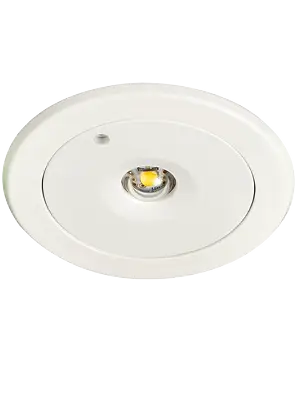
Our emergency downlights are designed to integrate into ceilings with almost no visual signature. The TYKE recessed downlight delivers compliant emergency illumination through a minimal aperture, with five optical distributions — Discreet, Spot, Area, Corridor+ and Corner — to suit gallery floors, circulation routes and points of emphasis.

BESPOKE FINISHES AND COLOUR MATCHING

Every Philip Payne product is available in a wide range of RAL and bespoke finishes. Where standard white or grey fittings would read as intrusive against historic joinery or a considered interior, our specification team can advise on colour matching to the surrounding environment.

LARGE SITE COMPLIANCE MANAGEMENT

National museums and large gallery buildings can contain hundreds of emergency luminaires across multiple floors and wings. Specto-XT wireless automatic testing monitors every luminaire continuously, schedules all required tests automatically, and maintains a full web-accessible compliance audit trail — removing the burden of manual testing across complex sites.

RETROFIT WITHOUT DISRUPTION

Museums cannot close. Our products are designed to be installed and maintained with minimal disruption to public access, collections and ongoing programming. Surface-mounted and recessed options reduce the structural intervention required, and Specto-XT removes the need for access to each luminaire for routine testing.

EMERGENCY LIGHTING TO
SUPPORT MUSEUM AND GALLERY BUILDINGS

We have a number of emergency lighting ranges suited to museum and gallery environments — delivering discreet, specification-led solutions across gallery floors, circulation routes, back-of-house areas and sensitive historic interiors.

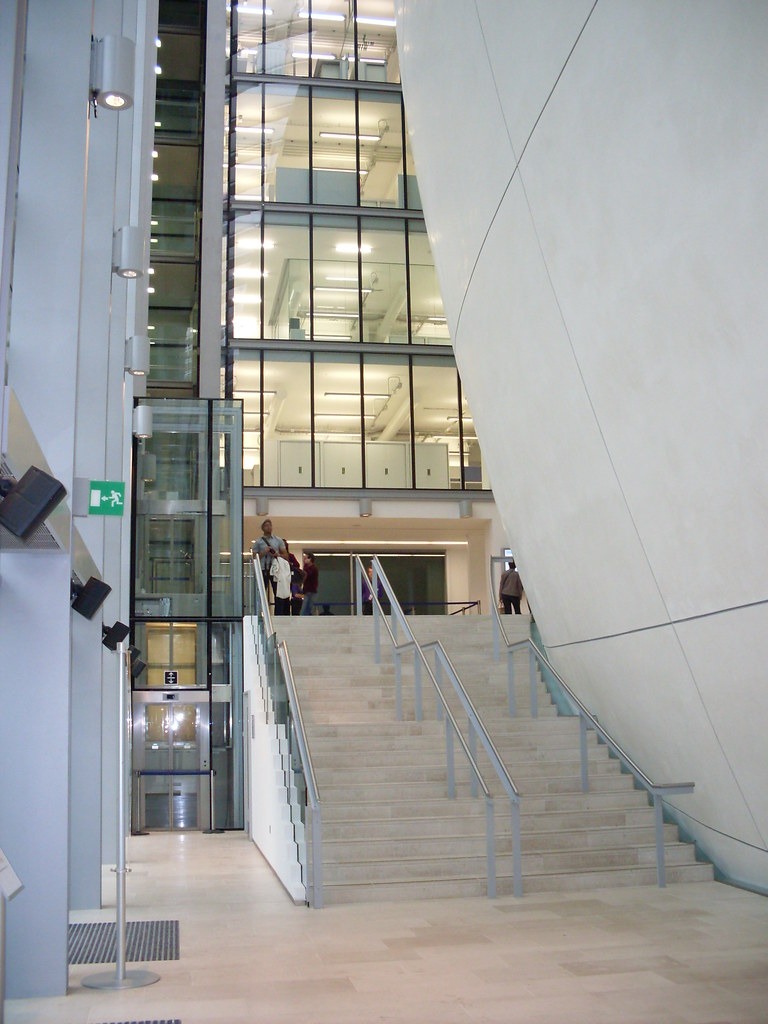
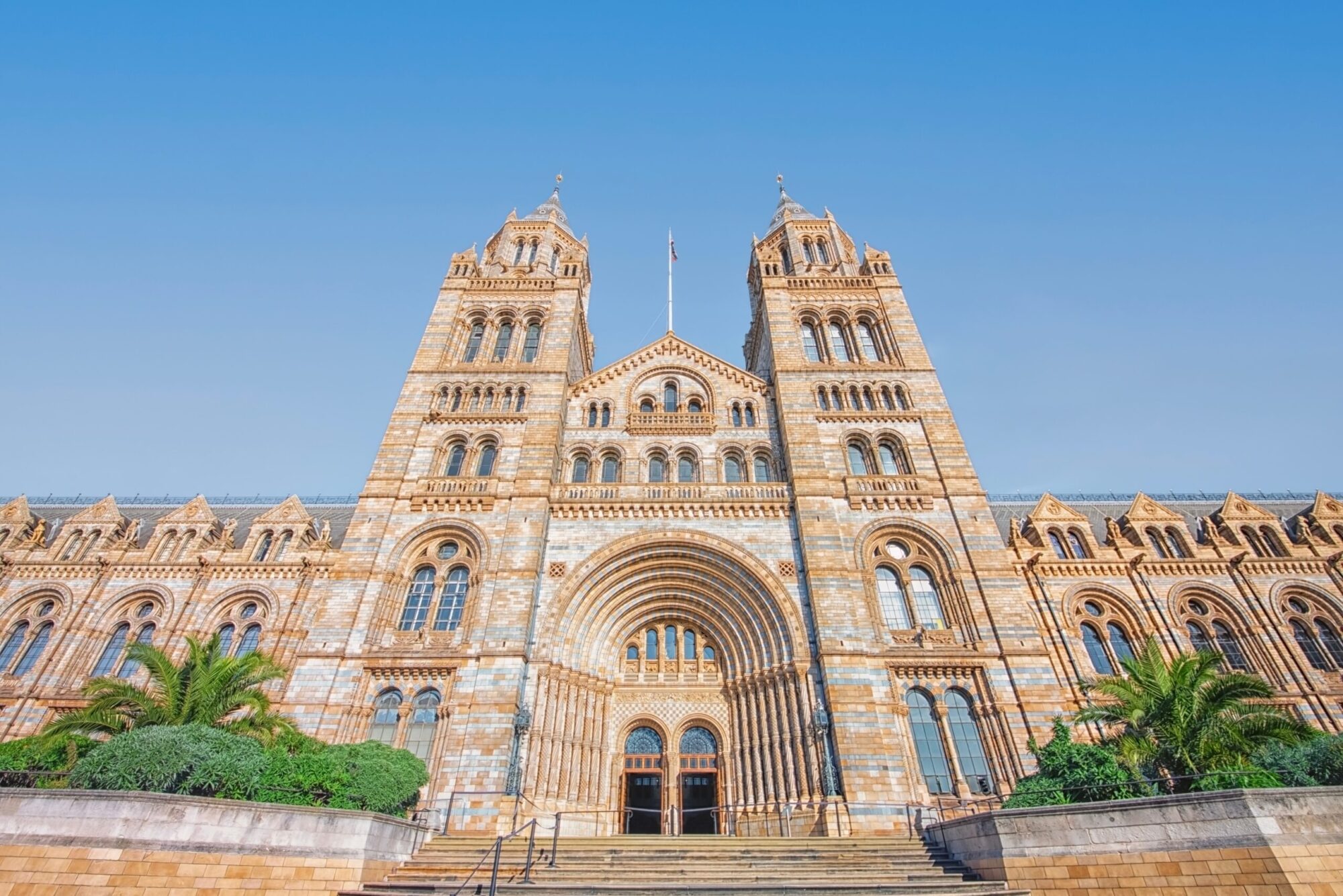
At the Natural History Museum in London, a wide range of Philip Payne luminaires are installed — including TYKE recessed downlights, which deliver compliant emergency illumination with minimal ceiling disruption, alongside emergency signage from our 250 range installed throughout the building.

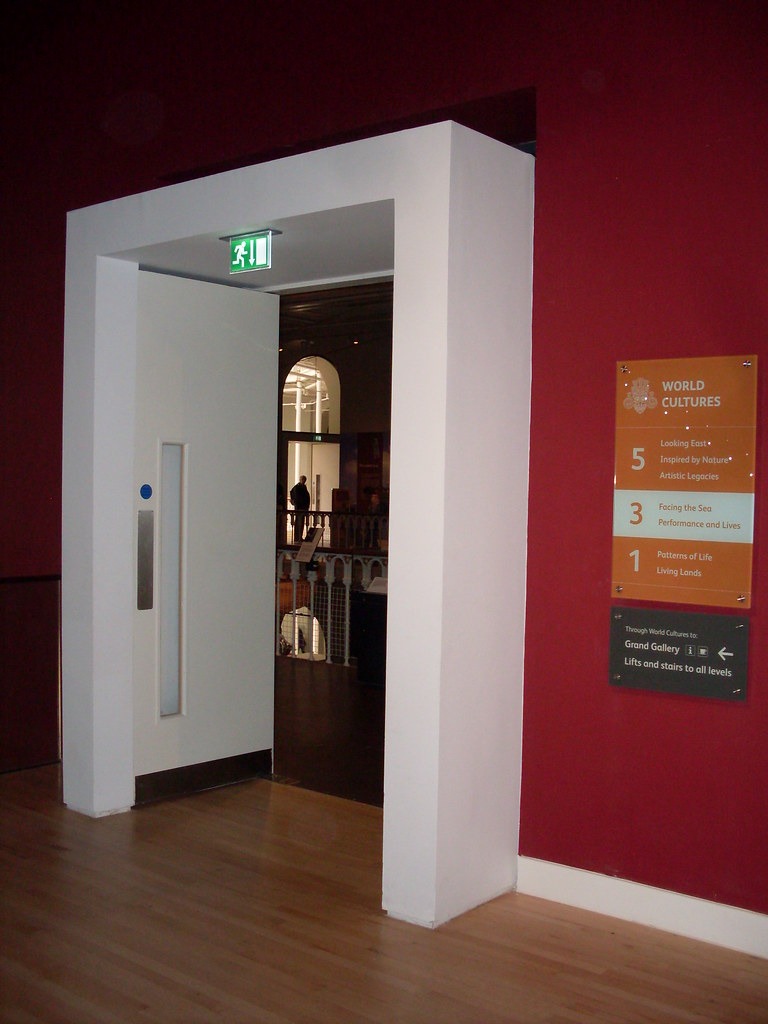
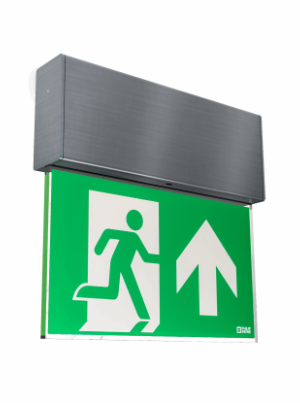
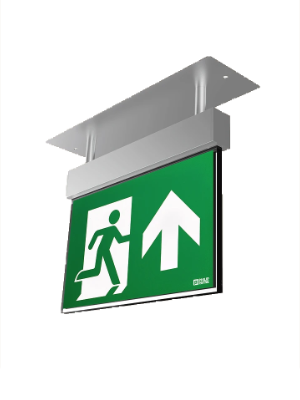
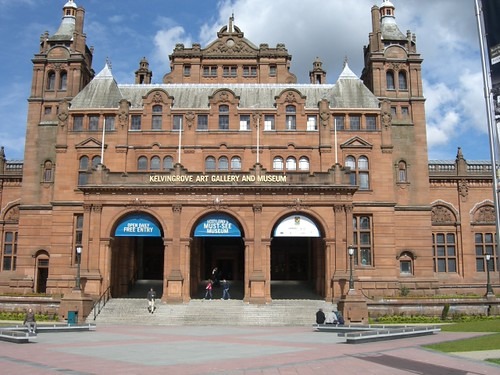
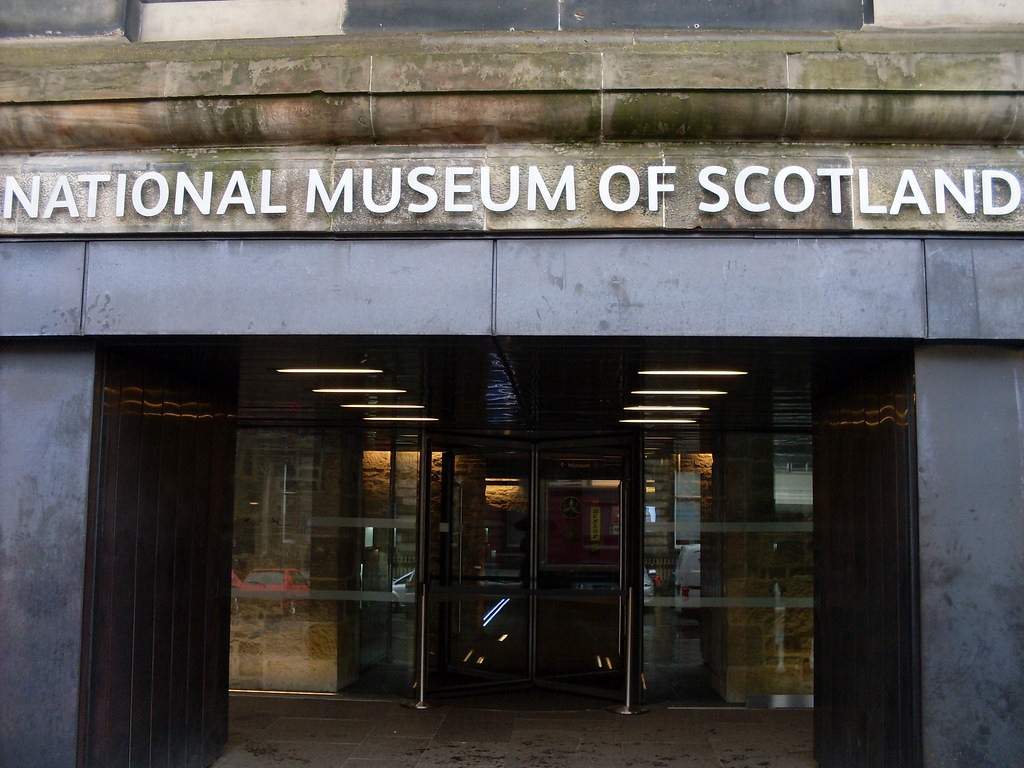
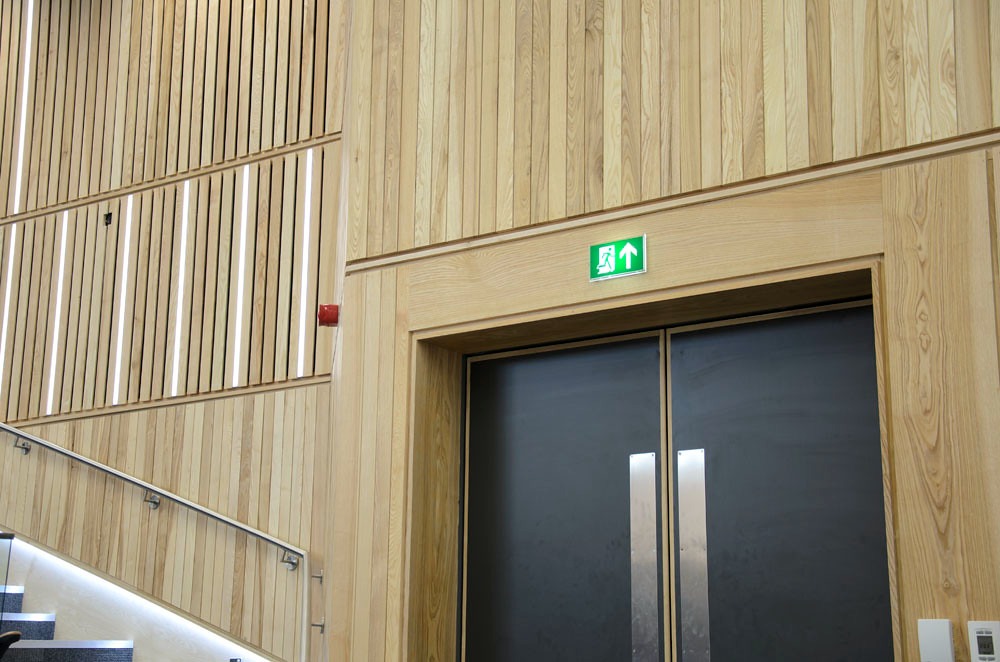
At Kelvingrove Art Gallery in Glasgow and the National Museum of Scotland in Edinburgh, luminaires from our signage range were specified for their slim profile and ability to mount above or beside high feature doors while remaining fully compliant with statutory mounting height requirements.

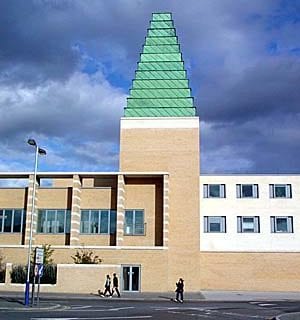
At the Ashmolean Museum in Oxford — the world’s first university museum — our emergency signage was selected for its discreet presence within a building that balances historic architecture with contemporary gallery use.

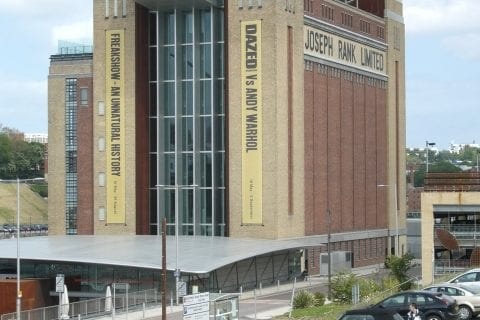
At the BALTIC Centre for Contemporary Art in Gateshead, the semi-recessed FW format was specified, with the gear housing concealed and the legend panel colour-matched to the surrounding décor — a solution that speaks to what’s possible when specification goes beyond the standard.

JUST A FEW OF OUR
EMERGENCY LIGHTING RANGES

TYKE Recessed

Compact, powerful and discreet — TYKE delivers compliant emergency illumination through a minimal ceiling aperture. Five optical distributions provide optimal coverage across gallery floors, escape routes and open areas. Available in white, black and any RAL classic colour. 60% reduction in embodied carbon over previous versions.

HENLEY

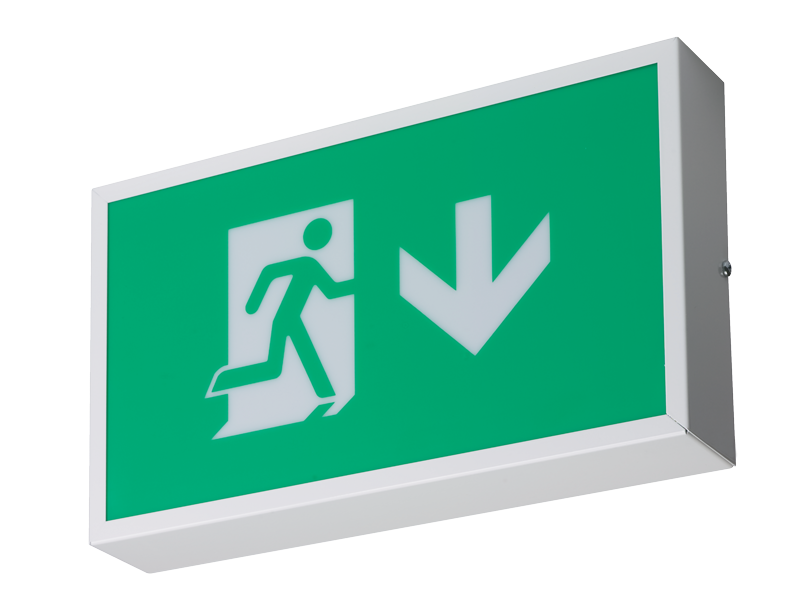
Precision aluminium extrusion body, CNC-machined end caps, 8mm acrylic legend panel. Manufactured from 60% recycled material and available in a wide range of RAL and bespoke finishes — from Black and White to Antique Brass and Penny Bronze. Designed for museums, civic spaces and cultural landmarks where aesthetics are as important as performance.

OLTON

Philip Payne’s design-led exit sign family for the UK’s most discerning interiors. Available in Cylinder (organic, soft schemes) and Square (crisp, architectural geometry) variants — both wall and ceiling, recessed and surface. Extensive metallic and solid finish palette with custom options available. DALI and Specto-XT compatible.

250SL

Dimensionally petite and less intrusive than conventional exit boxes — the 250SL is designed to feel at home in spaces where the sign should be seen but not noticed. Factory-finished to colour match its environment. Specto-XT compatible, LiFePO4 battery technology, Made in Britain.

Specto-XT

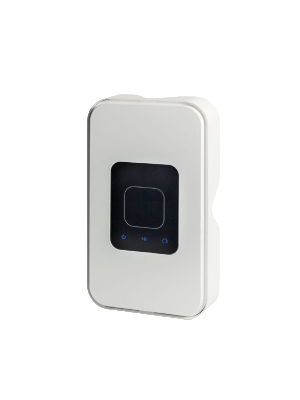
Wireless automatic testing and compliance management. Monitors every luminaire continuously, schedules function and duration tests automatically, and maintains a full web-accessible audit trail accessible from any device. Built for large, complex sites where manual testing across multiple floors and wings is costly and disruptive.

EXPLORE OUR EMERGENCY LIGHTING RANGES

FOUND IN SOME OF THE UK'S MOST
RECOGNISED MUSEUM AND GALLERY BUILDINGS

Philip Payne emergency lighting is installed across a wide range of national museums, university collections and contemporary galleries throughout the UK — from Victorian civic buildings to purpose-built arts institutions.

RELEVANT LEGISLATION
& STANDARDS

Emergency lighting in museums and galleries is subject to the same legislative framework as all non-domestic premises. For buildings that are listed or subject to conservation requirements, additional planning considerations apply. Our specification team can advise on compliant product selection for both standard and sensitive environments.

  • Regulatory Reform (Fire Safety) Order 2005
  • BS EN 1838:2024 — Emergency Lighting
  • BS EN 50172:2024 — Emergency Escape Lighting Systems
  • BS 5266-1:2025 — Emergency Lighting Code of Practice
  • BS EN 62034:2012 — Automatic Test Systems
  • BS 5499-4:2013 — Safety Signs
  • SLL Lighting Guide 12: Emergency Lighting (LG12)

DISCOVER MORE

Speak with our team about a discreet, compliant emergency lighting approach for your museum or gallery.